


Human ambition has always pushed boundaries, and nowhere is this more visible than in the world’s tallest buildings. These skyscrapers are not just tall structures of steel and glass—they are symbols of technological advancement, economic power, and architectural brilliance. From the deserts of the Middle East to the bustling cities of Asia, the race to build higher has reshaped modern skylines.
This blog explores the tallest buildings in the world, their significance, and what makes them true engineering wonders.
The Rise of Skyscrapers
Skyscrapers emerged as a solution to urban overcrowding and limited land availability. Over time, they evolved into symbols of prestige and progress. Advances in materials, construction techniques, and design software have made it possible to build structures that reach unimaginable heights while remaining safe and functional.
Today, the tallest buildings serve multiple purposes—residential, commercial, tourism, and cultural—making them vertical cities in their own right.
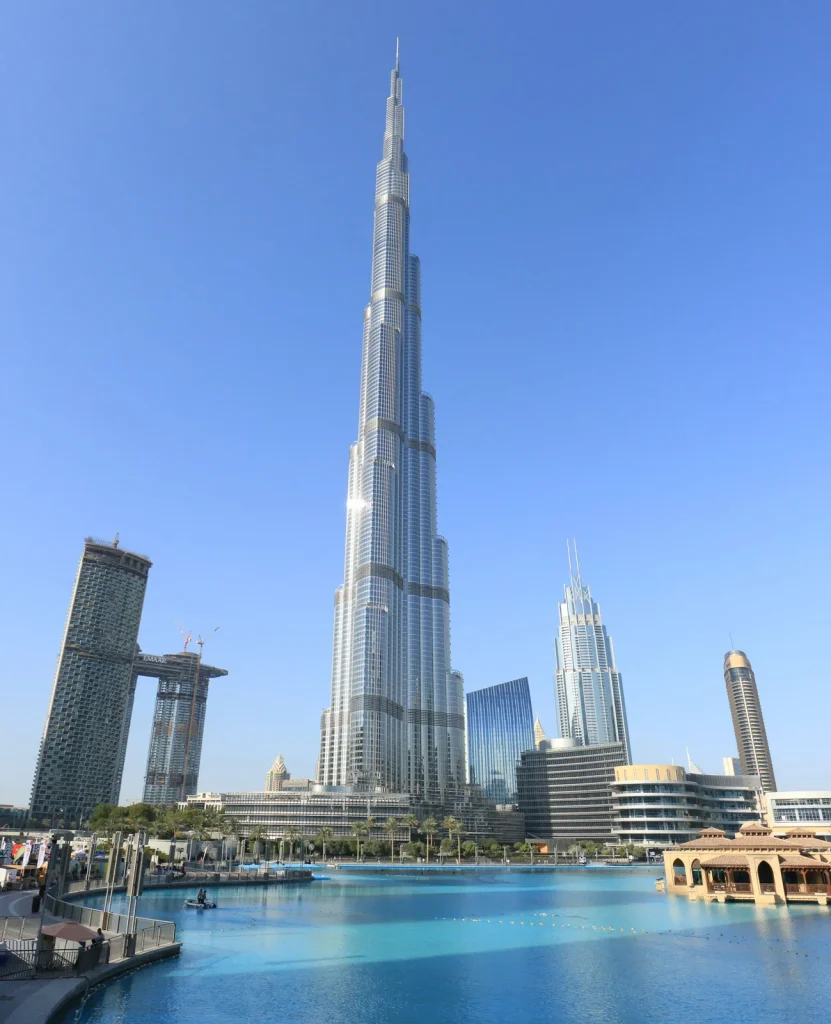
1. Burj Khalifa (Dubai, UAE)
The Burj Khalifa is the tallest building in the world and a global icon of modern architecture.
- Purpose: Residential, commercial, hotel, and observation decks
- Significance: World’s tallest structure ever built
Its sleek, tapering design helps it withstand strong winds, while its observation decks attract millions of tourists each year. The Burj Khalifa represents Dubai’s rapid transformation into a global city and stands as a symbol of human ambition.
2. Shanghai Tower (Shanghai, China)
The Shanghai Tower is the tallest building in China and one of the most technologically advanced skyscrapers in the world.
- Purpose: Offices, hotels, retail, and observation areas
- Unique feature: Twisting design that reduces wind pressure
It is also known for its sustainability features, including energy-efficient systems and rainwater collection, making it one of the greenest supertall buildings ever constructed.
3. Makkah Royal Clock Tower (Mecca, Saudi Arabia)
Located near the Grand Mosque, the Makkah Royal Clock Tower is both a religious and architectural landmark.
- Purpose: Hotel, prayer areas, museum, and clock tower
- Significance: One of the tallest buildings and largest clock faces in the world
The structure serves millions of pilgrims annually and plays a crucial role in timekeeping for Islamic prayers.
4. Ping An Finance Centre (Shenzhen, China)
The Ping An Finance Centre reflects China’s rapid economic growth and urban development.
- Purpose: Office spaces and conference centers
- Design focus: Strength, simplicity, and functionality
Its stainless-steel façade gives it a sleek appearance while also offering durability and resistance to weather conditions.
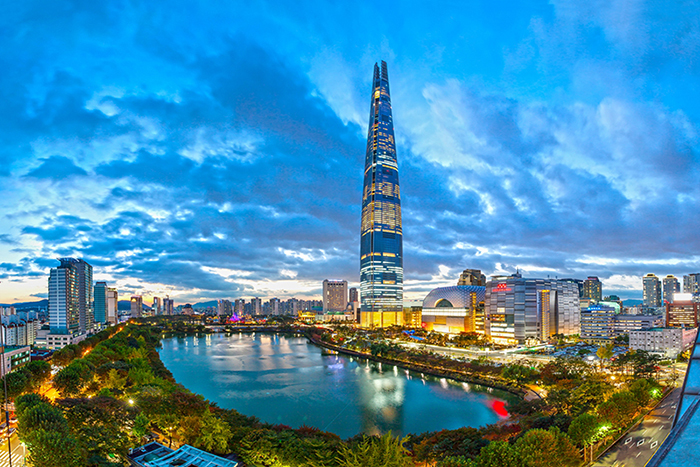
5. Lotte World Tower (Seoul, South Korea)
The Lotte World Tower is the tallest building in South Korea and a symbol of modern Seoul.
- Purpose: Residential apartments, offices, luxury hotel, and observation deck
- Unique feature: Seamless vertical design inspired by traditional Korean art
It combines cultural inspiration with cutting-edge engineering.
Engineering Challenges Behind Tall Buildings
Constructing the world’s tallest buildings involves overcoming major challenges, including:
- Wind resistance: Tall buildings must flex without breaking
- Foundation strength: Deep foundations are needed to support massive weight
- Elevator technology: High-speed elevators must travel long distances efficiently
- Safety systems: Fire protection and evacuation planning are critical
Each new skyscraper pushes engineering limits and leads to innovations used worldwide.
Economic and Cultural Impact
Tallest buildings often become national symbols and major tourist attractions. They:
- Boost local economies
- Create thousands of jobs
- Attract international attention
- Redefine city skylines
For many countries, building a supertall skyscraper is a statement of global presence and progress.
The Future of Tall Buildings
Architects and engineers are already planning buildings that may surpass current height records. Future skyscrapers are expected to focus more on sustainability, smart technology, and mixed-use living. Vertical forests, energy-efficient materials, and AI-controlled systems may define the next generation of tall buildings.
Conclusion
The tallest buildings in the world are more than just impressive heights—they are achievements of human creativity, determination, and innovation. Each structure tells a story of ambition, culture, and technological excellence.
As cities continue to grow upward, these towering giants remind us that the sky is not the limit—it’s just the beginning.