


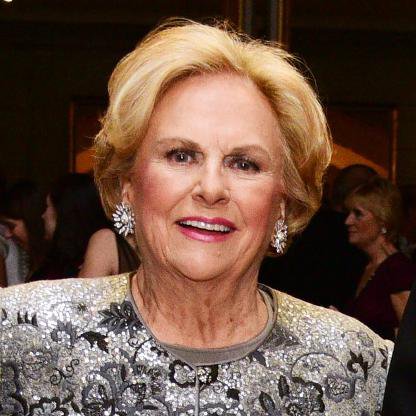
For a long time, global wealth discussions were dominated by men. However, today many women stand among the richest individuals on the planet, controlling vast business empires and influencing global markets. The richest women in the world are not only known for their wealth but also for their impact on industries, philanthropy, and society.
This blog explores who these women are, how they built or inherited their fortunes, and why their influence matters.
Who Are the Richest Women in the World?
The richest women in the world typically come from a mix of backgrounds. Some inherited large family businesses, while others built their wealth through entrepreneurship, innovation, and leadership. Their net worth is usually tied to industries such as retail, cosmetics, food, technology, mining, and real estate.
While rankings change due to market fluctuations, the following women are consistently counted among the wealthiest globally.
1.
Françoise Bettencourt Meyers is widely recognized as one of the richest women in the world. She is the heiress to L’Oréal, the world’s largest cosmetics company.
- Source of wealth: L’Oréal
- Industry: Beauty and cosmetics
Beyond business, she is also known as a writer and philanthropist. She plays an active role in guiding the company’s long-term strategy while supporting cultural, religious, and scientific causes through charitable foundations.

2. Alice Walton (United States)
Alice Walton is the daughter of Walmart founder Sam Walton and one of the richest women in America.
- Source of wealth: Walmart
- Industry: Retail
Unlike other family members, Alice Walton has focused less on business operations and more on art and philanthropy. She founded a major art museum and has invested heavily in education and cultural development.
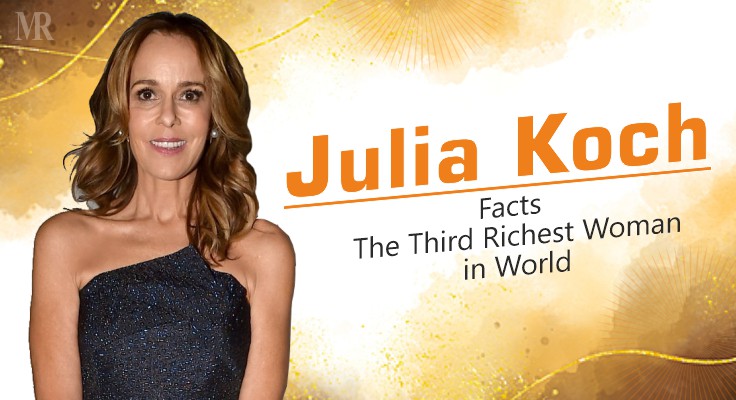
3. Julia Koch (United States)
Julia Koch inherited her wealth after the death of her husband, David Koch, who was a co-owner of Koch Industries.
- Source of wealth: Koch Industries
- Industry: Manufacturing, energy, and investments
She is known for her involvement in philanthropy, supporting causes related to healthcare, education, and the arts.
4. Jacqueline Mars (United States)
Jacqueline Mars is an heiress to the Mars Incorporated fortune, the company behind popular brands such as Mars, Snickers, and M&M’s.
- Source of wealth: Mars Incorporated
- Industry: Food and confectionery
She has served on the company’s board and is also known for her interest in horse breeding and charitable work.
5. MacKenzie Scott (United States)
MacKenzie Scott gained global attention not just for her wealth but for her record-breaking philanthropy.
- Source of wealth: Amazon (divorce settlement from Jeff Bezos)
- Industry: E-commerce and technology
She has donated billions of dollars to charities, focusing on education, racial equality, healthcare, and poverty reduction, making her one of the most generous philanthropists in history.
How These Women Built Their Wealth
The richest women in the world typically fall into two categories:
- Inherited Wealth: Many inherited stakes in family businesses that became global giants.
- Strategic Leadership & Investment: Some expanded their wealth by making smart investments, managing companies effectively, or reshaping how businesses operate.
Regardless of how they acquired wealth, maintaining and growing it requires financial intelligence, strong advisors, and long-term vision.
Their Impact Beyond Money
These women influence the world far beyond their bank balances. Their impact includes:
- Creating and sustaining millions of jobs
- Supporting global charities and foundations
- Funding education, healthcare, and scientific research
- Promoting arts, culture, and social equality
Many of them actively choose philanthropy as a way to give back to society.
Challenges and Criticism
Like their male counterparts, wealthy women also face criticism related to wealth inequality and corporate power. However, their increasing visibility challenges traditional gender norms and inspires more women to aim for leadership roles in business and finance.
Conclusion
The richest women in the world represent more than extreme wealth—they symbolize influence, responsibility, and change. Whether through business leadership or philanthropy, they are shaping industries and improving lives across the globe.
Their journeys highlight that wealth, when combined with purpose, can become a powerful force for good.